IRRI Smart RFID Table
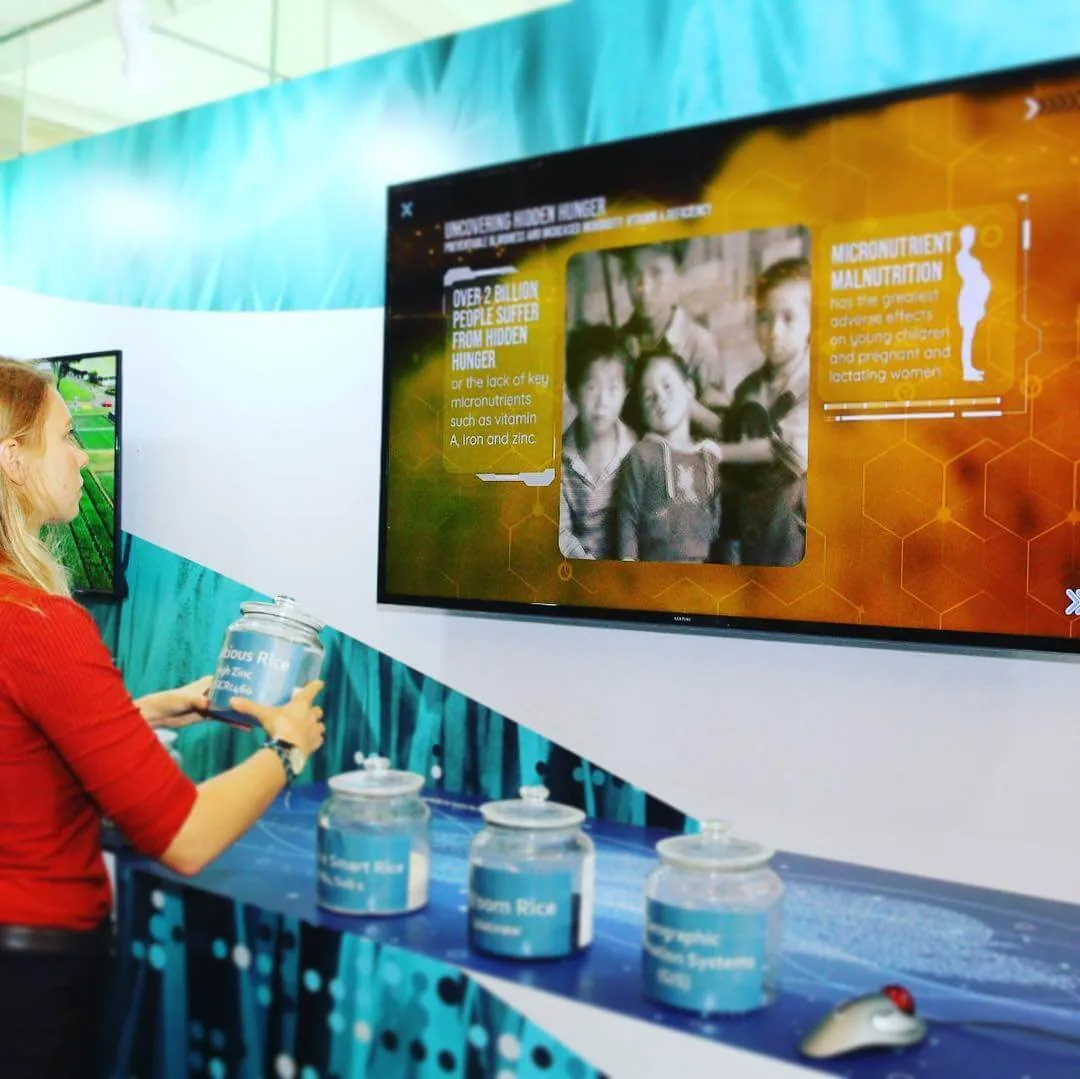
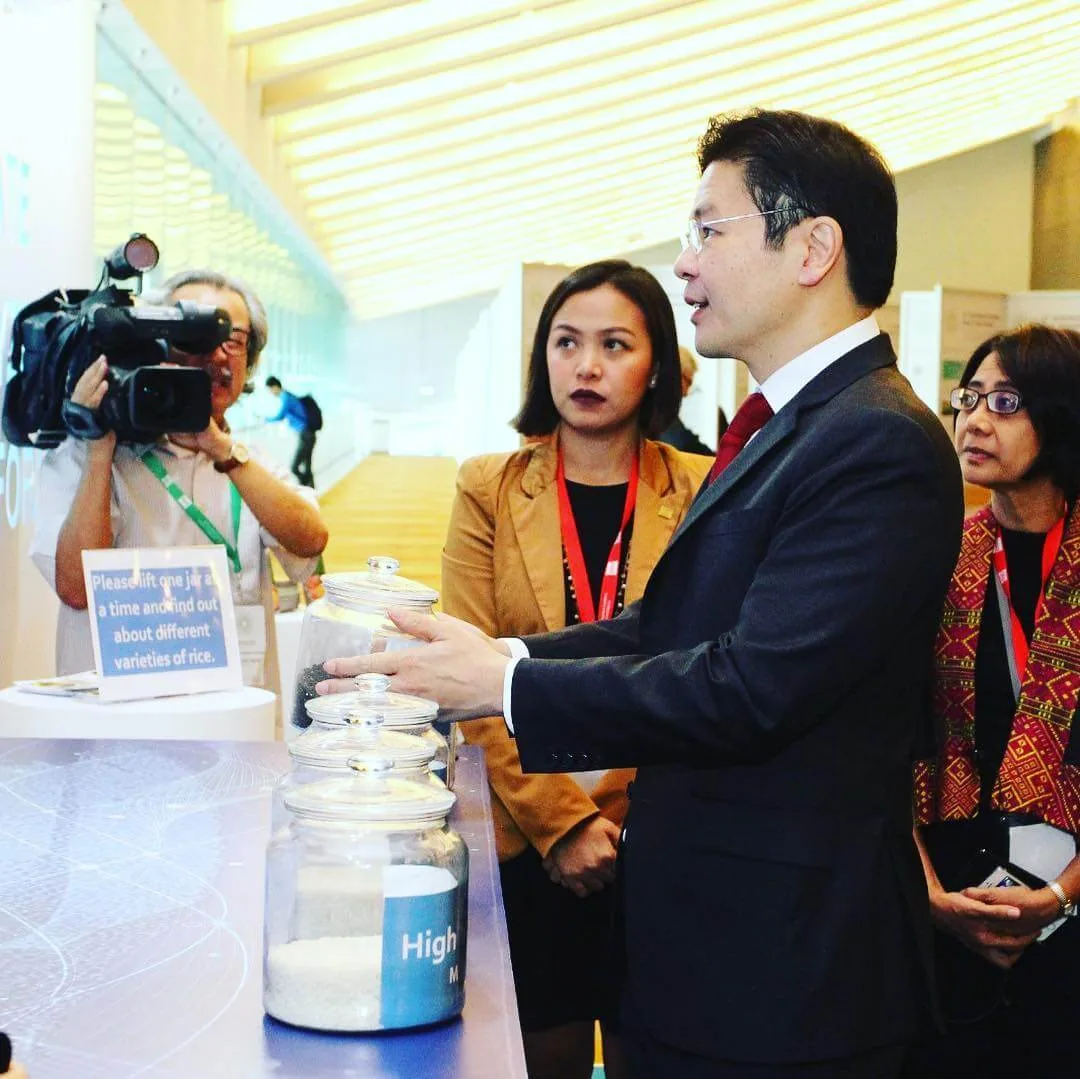
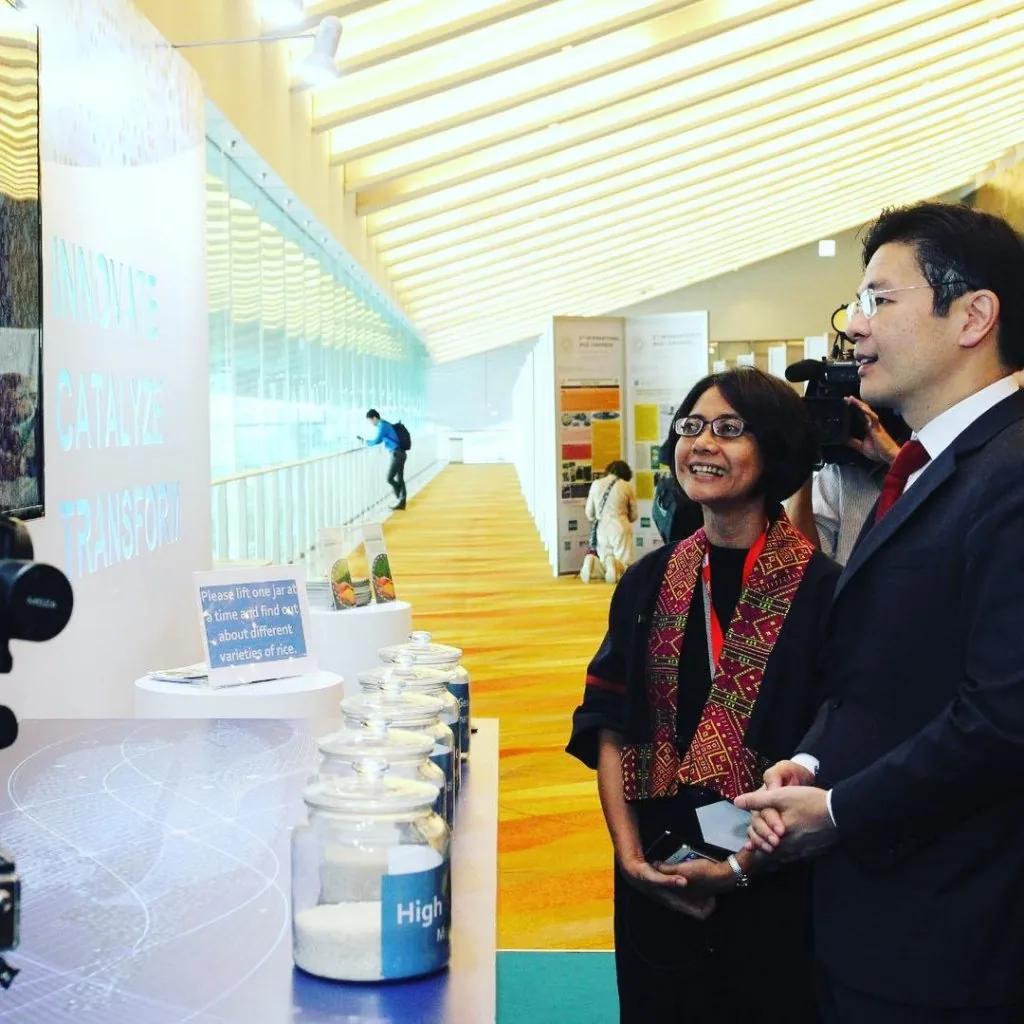
An RFID-enabled rice-sample display that revealed relevant videos, images and text when visitors lifted a jar from its position.
- RFID object interaction
- Media application
- Display integration
- Exhibition deployment


An RFID-enabled rice-sample display that revealed relevant videos, images and text when visitors lifted a jar from its position.

Marina Bay Sands Convention Centre, Singapore
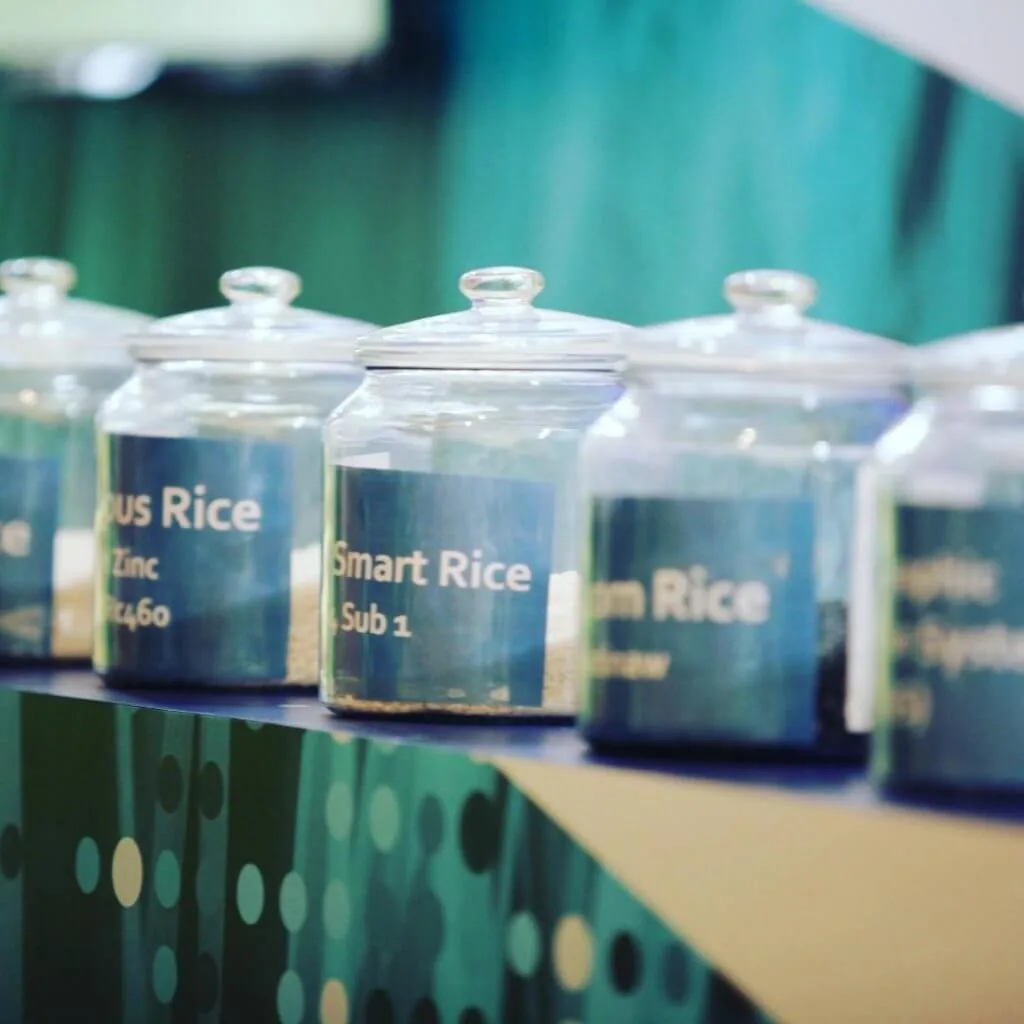
Rice samples were presented in glass jars integrated with RFID tags and sensing positions. Lifting a jar triggered its related information on the shared display, turning the physical collection into the navigation interface.
Explain different varieties of rice through the real samples, giving conference visitors a direct and memorable way to explore the research.
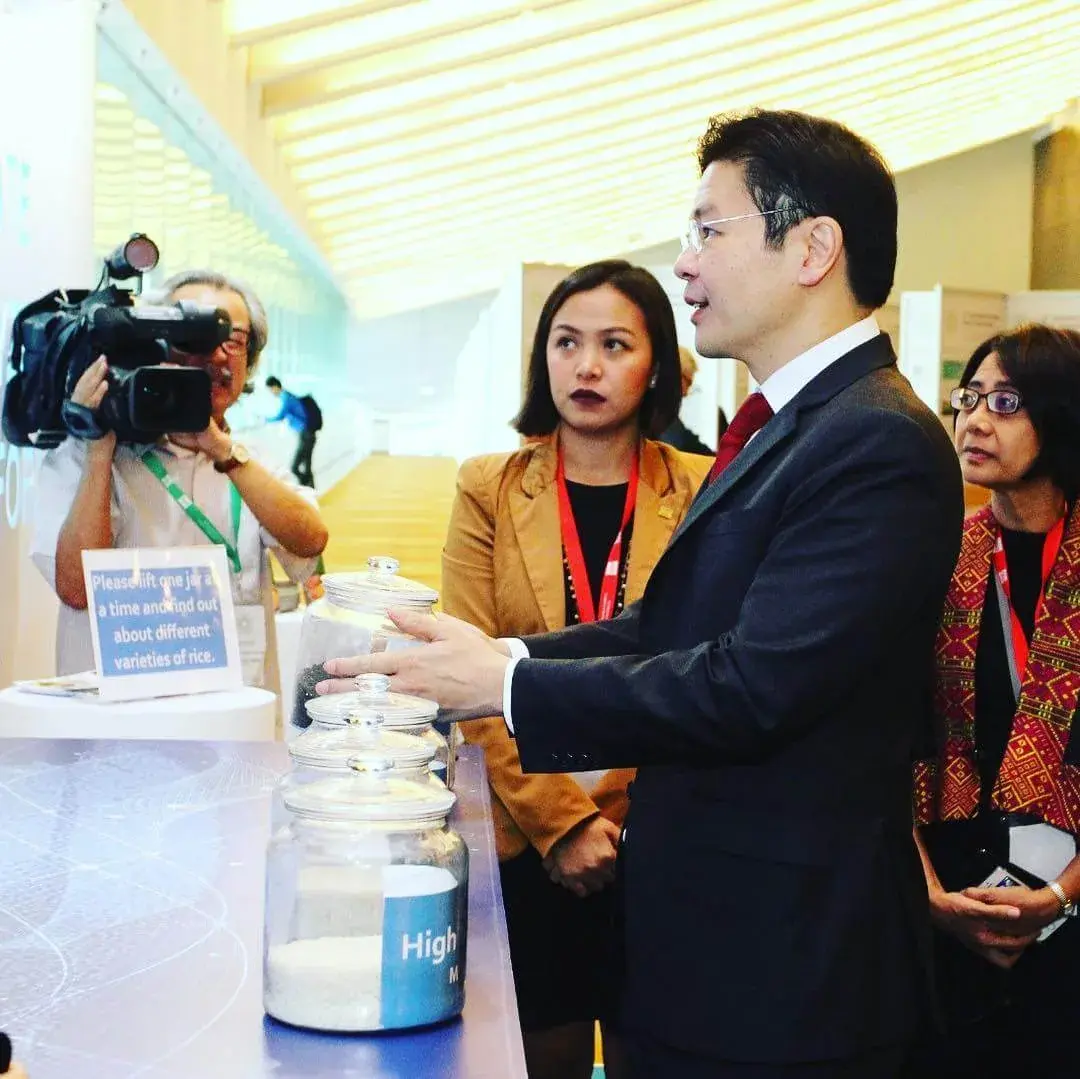
The hardware
Connect real rice samples with their digital identities.
Detect when a jar is removed from its place.
Presents the selected sample's video, images and text.
Connects object states with selected media and idle playback.
The software
The application connects each jar’s RFID identity and position state with the corresponding media. A corporate video plays when the jars are not being handled; a visitor’s selection moves the display into the relevant sample story.
See the rice jars and the display’s idle presentation.
Pick up a jar from its sensing position.
The associated video, imagery and text appear on screen.
Put the jar back and explore another sample.
The finished experience
Visitors could begin with a real object and discover the information attached to it without navigating a conventional menu.
FAQ
From creative customisation and software to onsite delivery. Here’s what to consider for your own project.
We can connect physical samples with their own media and explanation. The interaction helps visitors compare objects while keeping the scientific or organisational story tied to something tangible.
We define each jar's identity and position states, then map lift and return actions to playback. Multiple-object handling and return-to-idle timing are tested with the actual collection.
Verify jar placement, recognition and the matching media. Plan secure sample handling, spare tags and clear instructions for returning objects to their intended positions.
Send sample types, jar dimensions, approved media and tabletop drawings. Reader layout, tagging and content-state complexity determine the integration scope.