
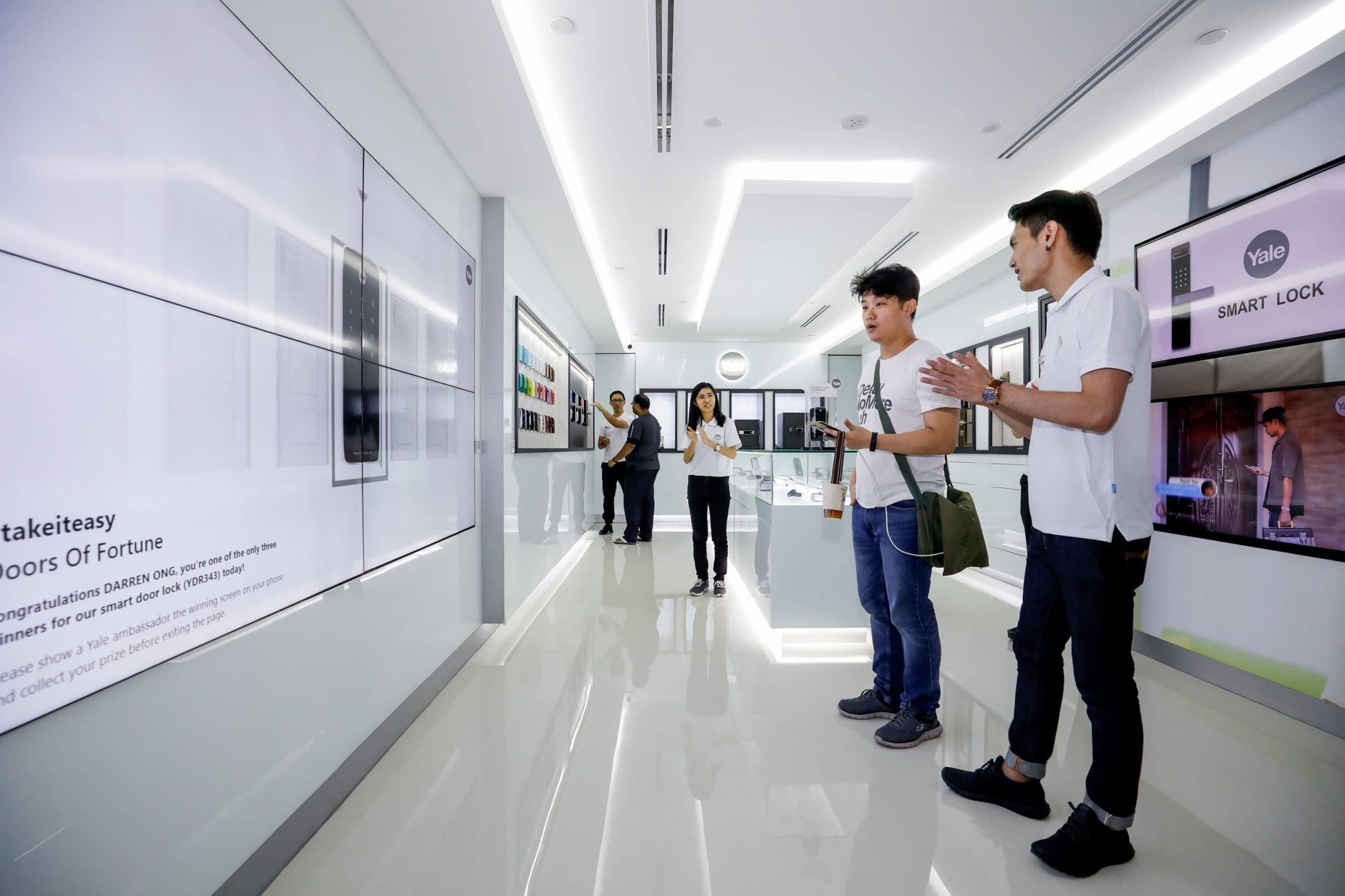
Start with one audience journey
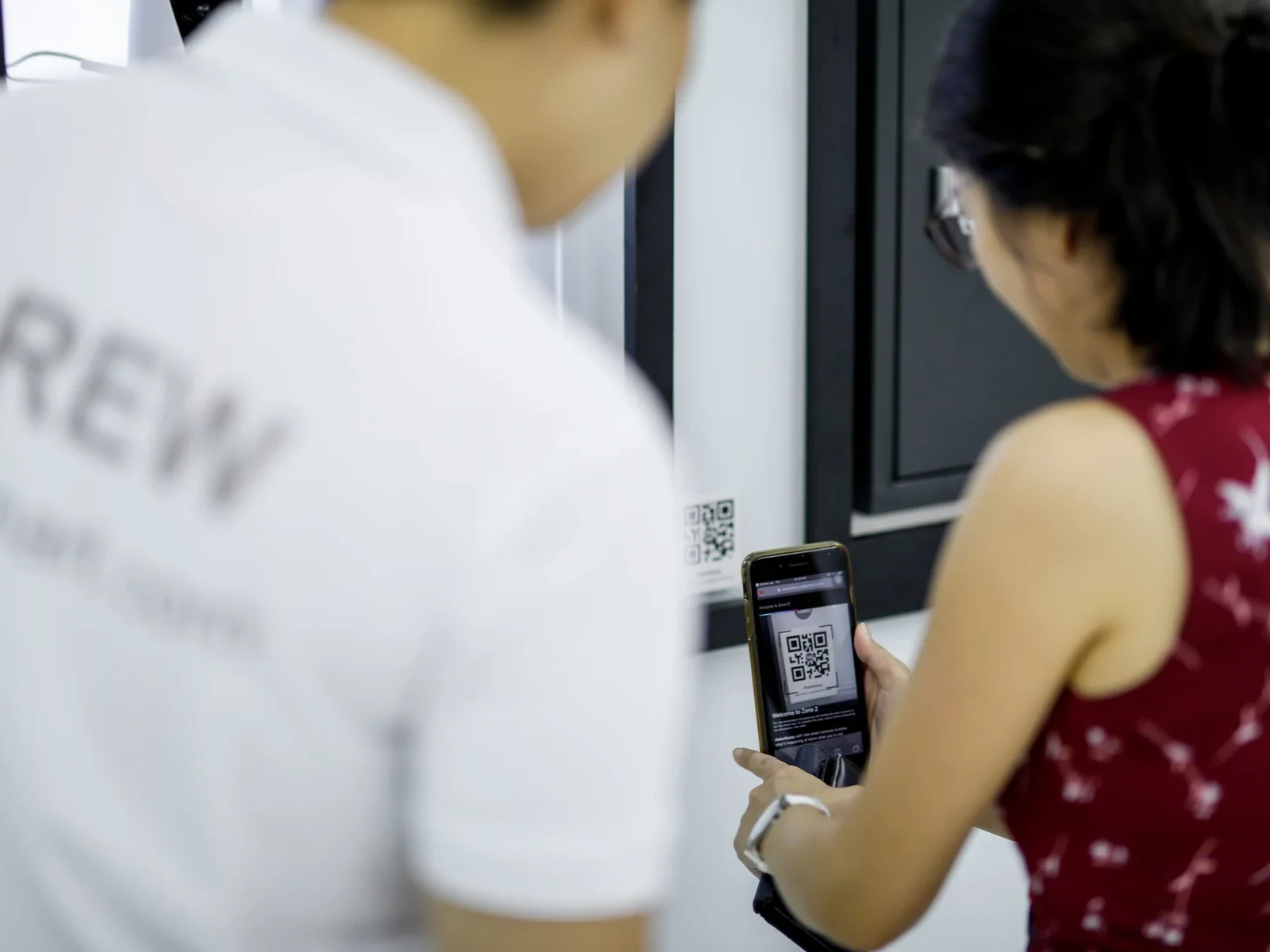
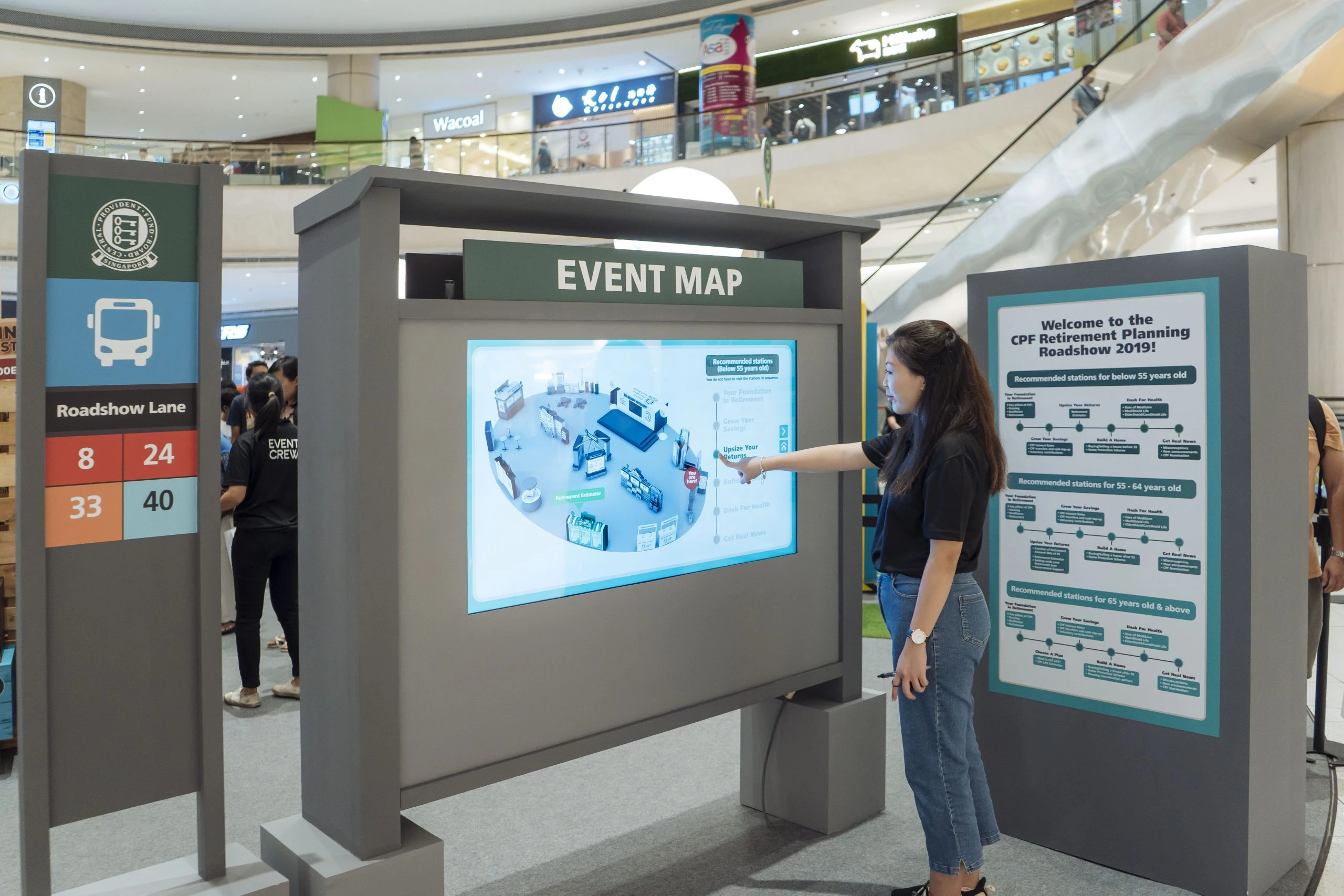
Map the invitation, arrival, interaction, reward and possible return visit as one flow. The technology should support that flow rather than ask the audience to understand the systems behind it.
Begin with the audience action: what should someone notice, do and receive at each point? That sequence gives the digital and physical teams one shared experience to design around.
Design the hand-offs
The most important moments often sit between channels: a mobile invitation becoming an onsite interaction, a completed game becoming a reward, or a physical visit creating a reason to reconnect later.
Make each hand-off explicit. Decide what state needs to travel, how a visitor recognises the next step, and what happens when a device, connection or queue does not behave as expected.
The strongest O2O experience feels like one journey, even when many systems and teams make it possible.
Build for operating reality
Plan for connectivity, queue behaviour, staff handover, fallbacks and support from the start. These conditions shape the interaction as much as the screen or physical structure does.
A prototype should test the hand-offs as well as the core interaction. That is where uncertainty becomes visible early enough to resolve it.
Measure the experience, not only the screen
Choose signals that describe the journey: invitation-to-start, completion, reward redemption and an appropriate return action. Any data collection should have a clear purpose and be planned with consent and privacy requirements in mind.